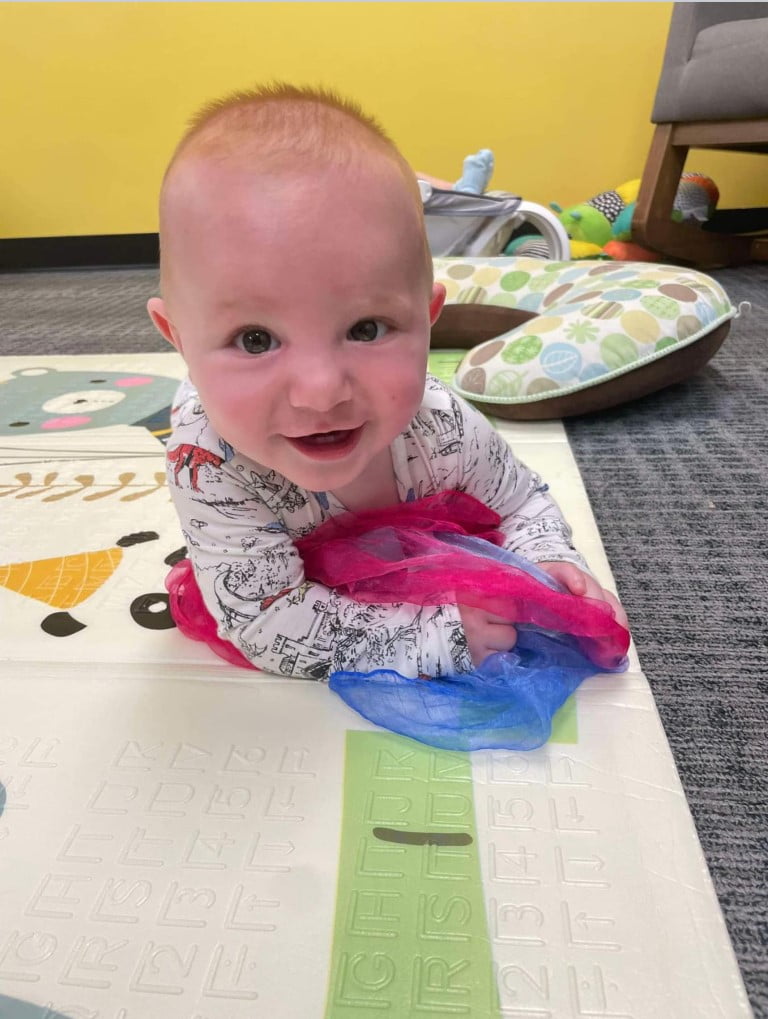
Infant
Sensory first discoveries
Textures, colors, bubbles and mirrors. Early STEM exposure for infants is all about the senses, paired with sign language to build understanding.
At Early Explorers, science, technology, engineering, art and math are not subjects saved for later. They are how our Midland kids spend their days: dropping color into ice, building spaghetti towers, chasing shadows and asking why about everything.
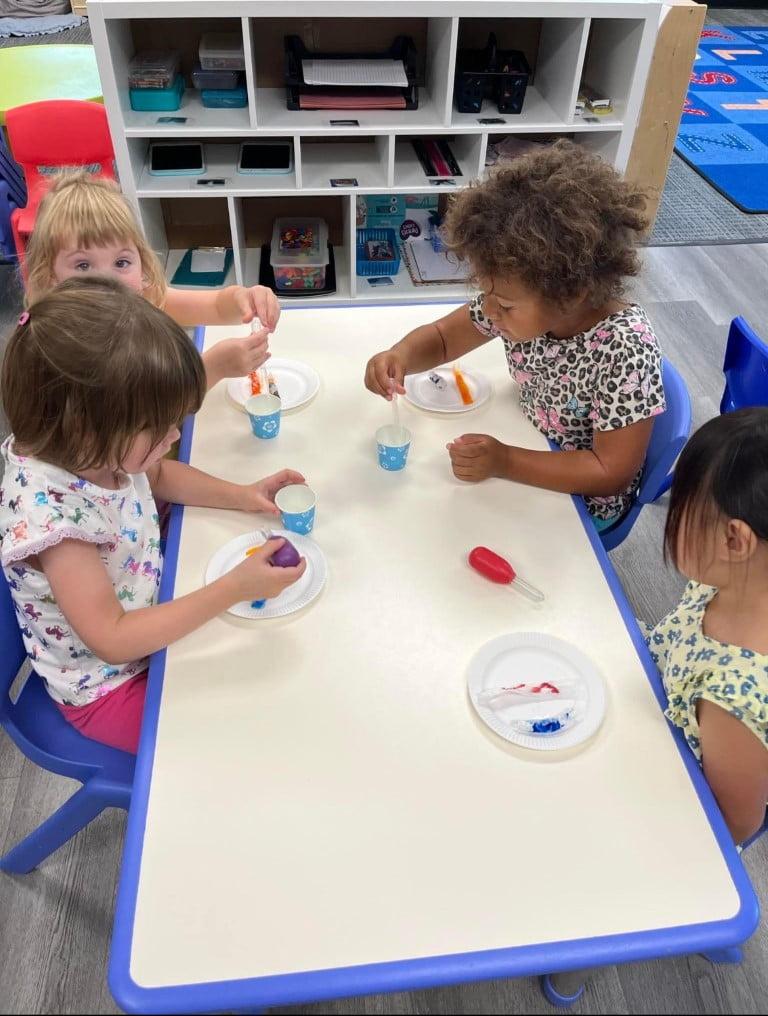
Big words, little hands. Hover or tap each letter to see how it actually shows up in our classrooms.
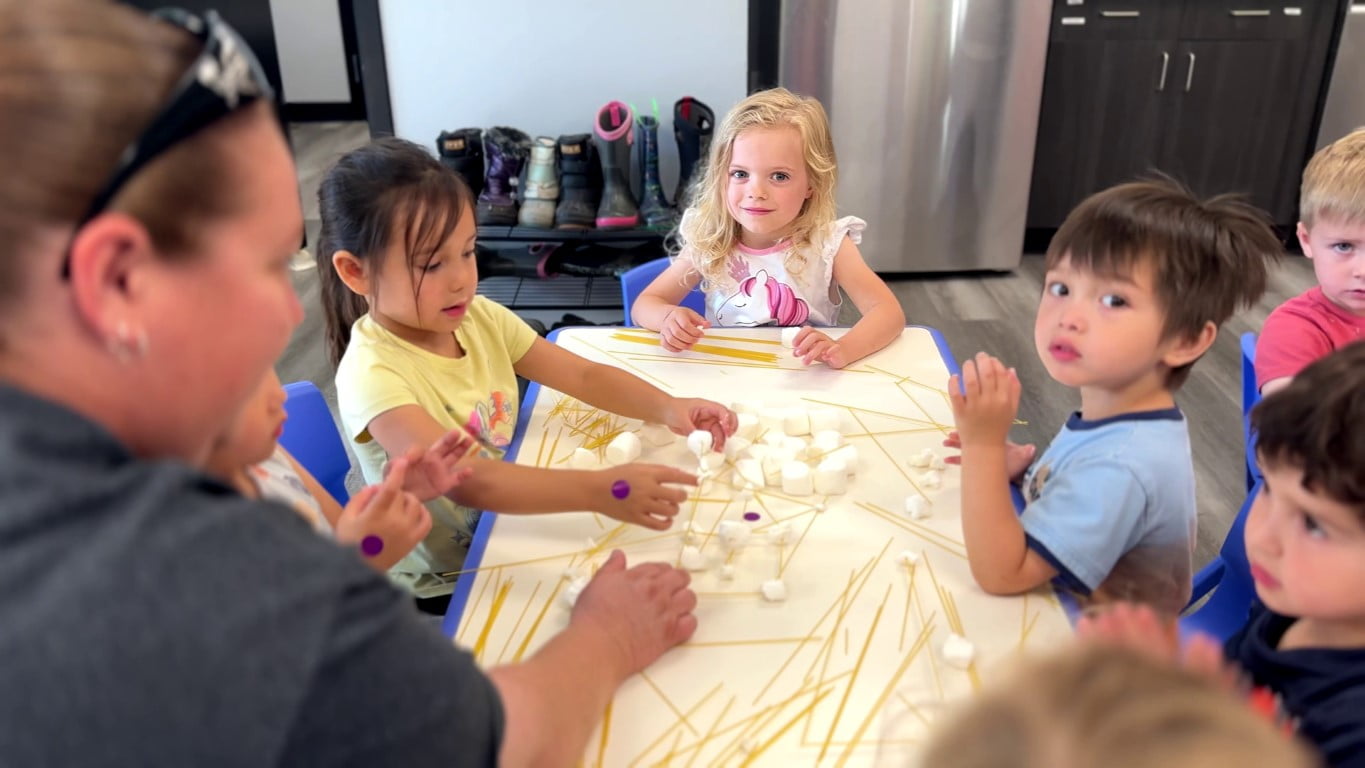
Every STEM activity at Early Explorers follows the same five-step rhythm. It is how a marshmallow and a handful of spaghetti turn into a real lesson in thinking.
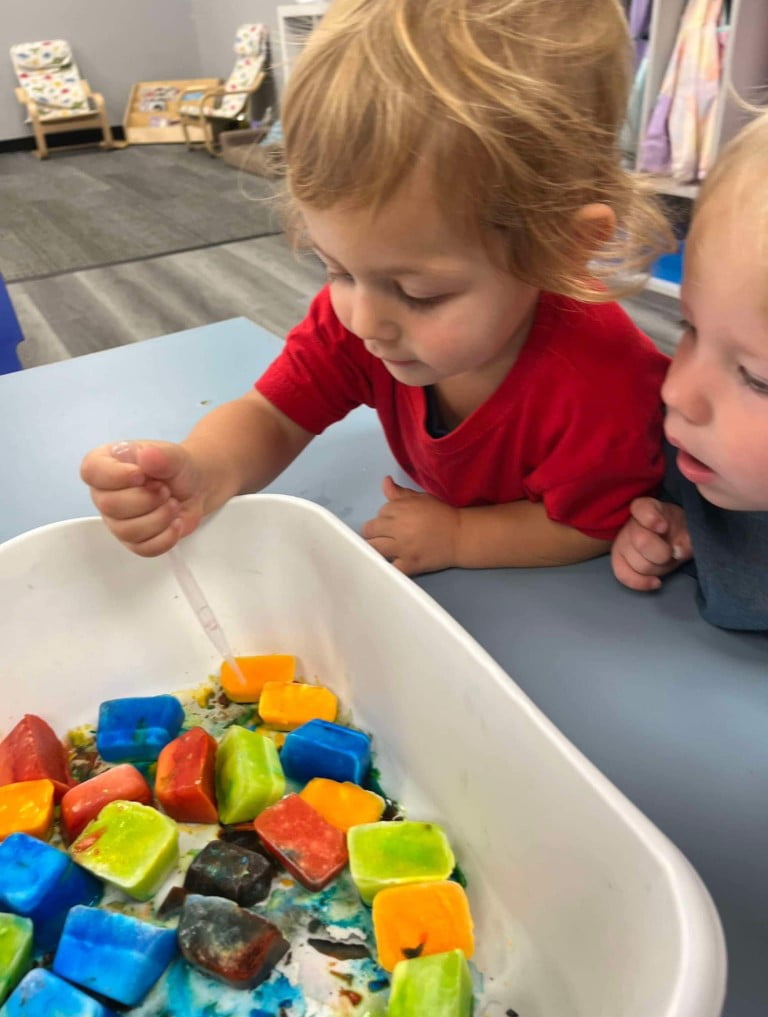
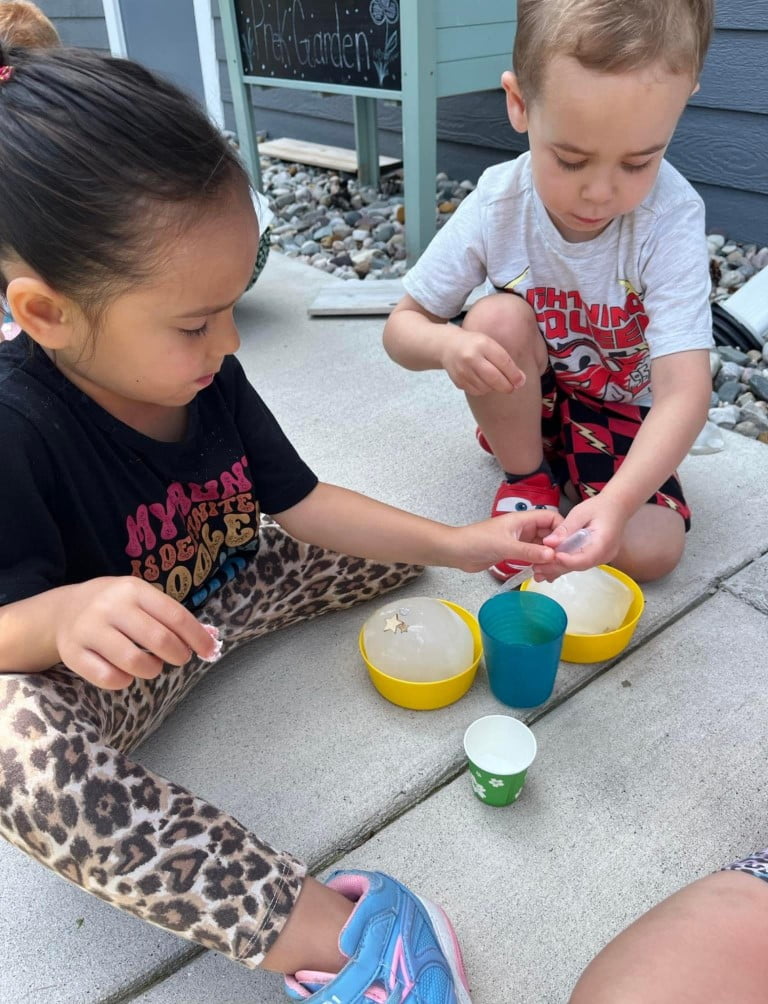
"What happens if we drop blue on the ice?" Teachers set out an invitation, not instructions, and let children notice, point and ask. Curiosity is the hook.
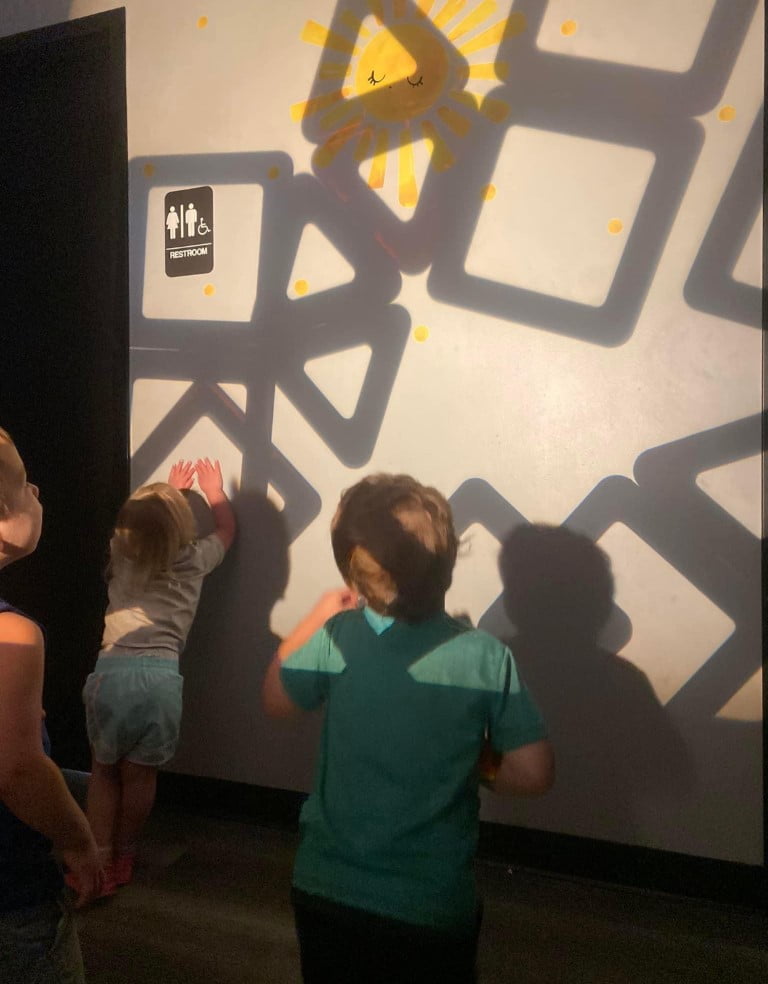
Droppers, water, color, ice, sand. Children touch, squeeze, pour and test, building the observation skills every scientist depends on.
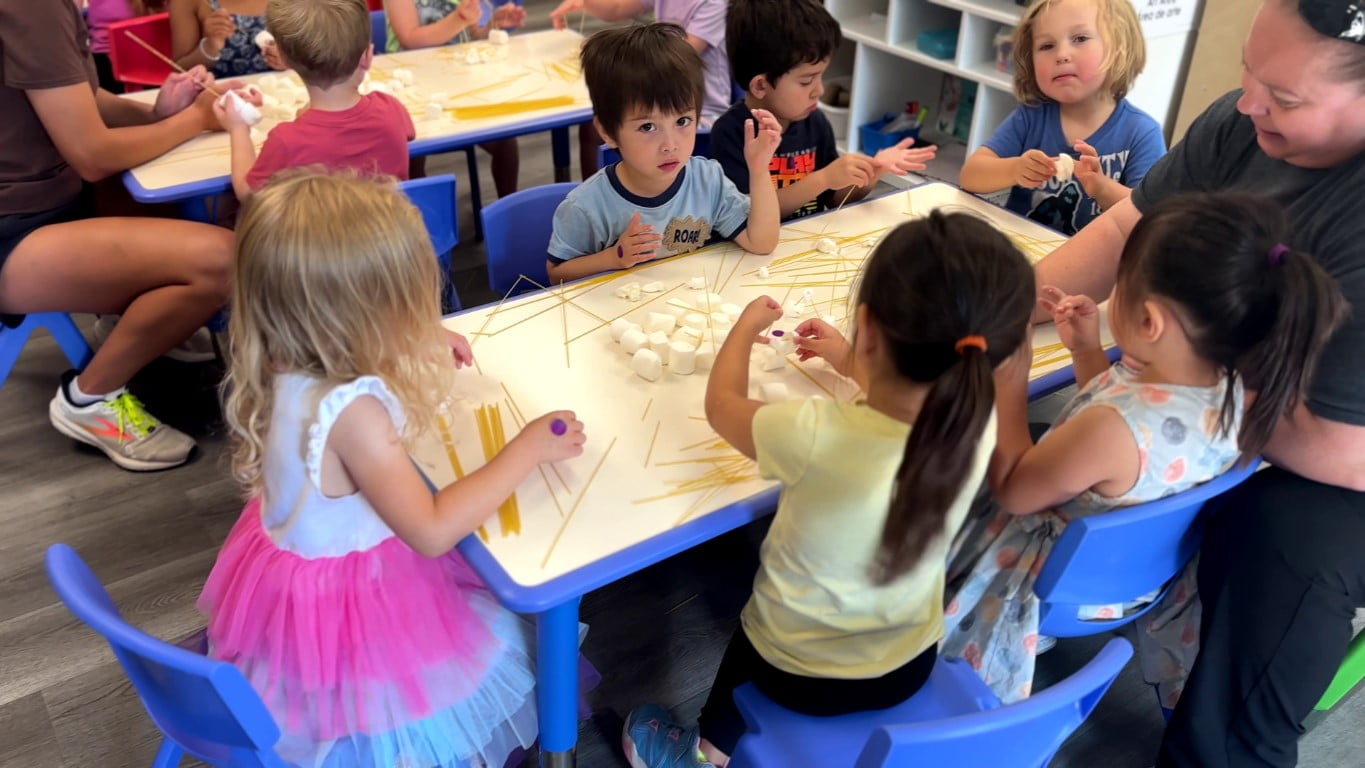
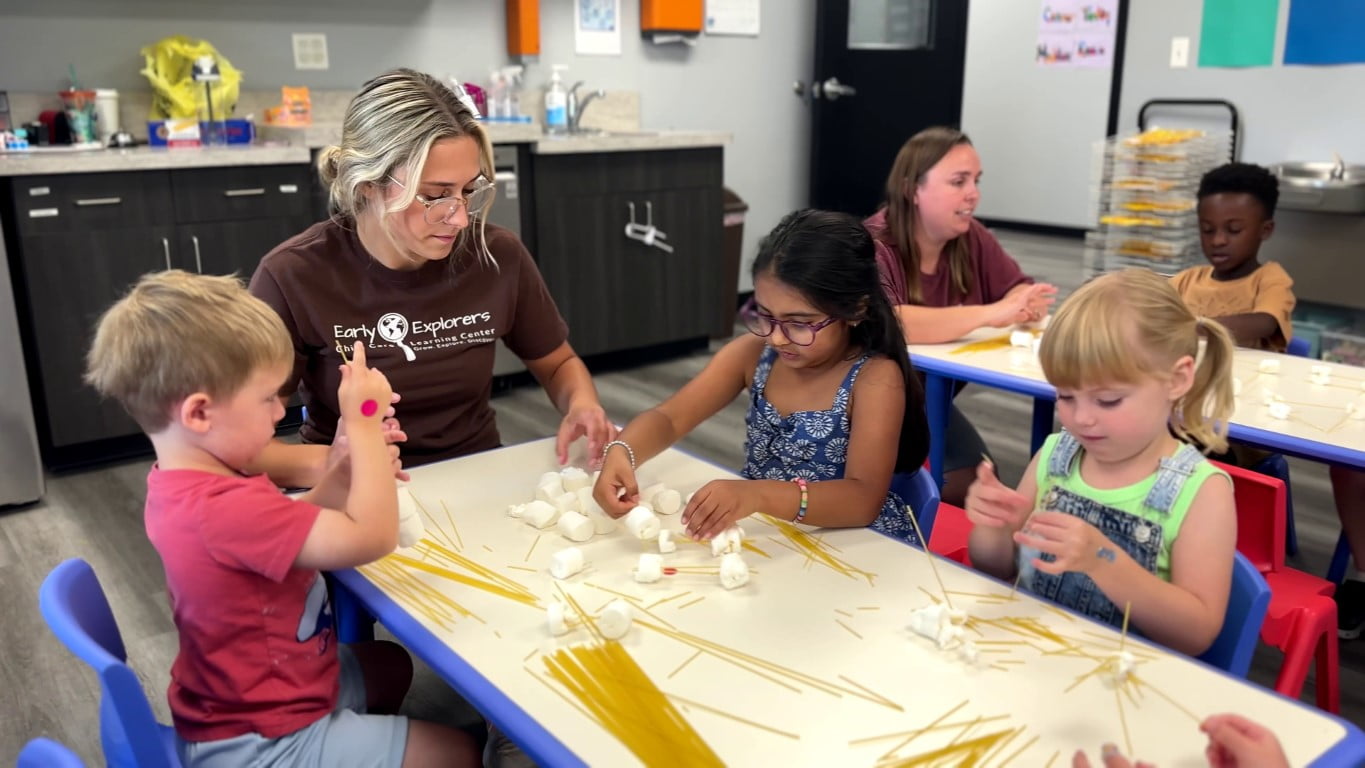
Marshmallows and spaghetti become towers, bridges and "rockets." When a structure tips over, nobody fails. They just learned something about balance.
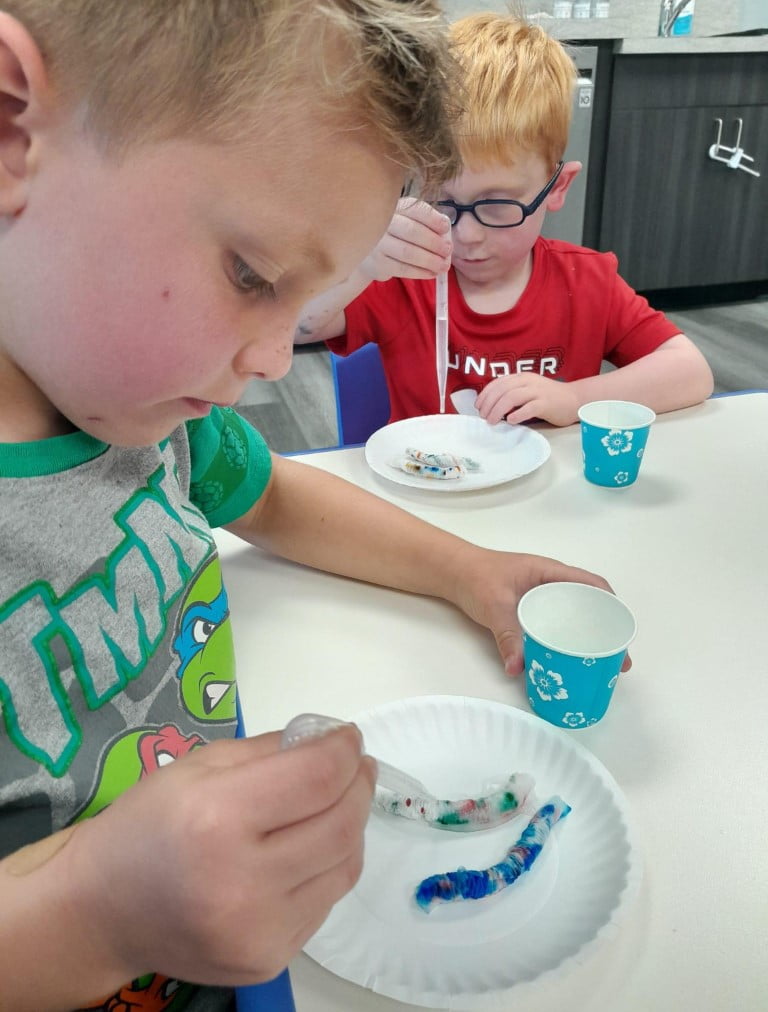
Teachers ask open questions: "Why do you think it fell?" "What could we try next?" Kids put their thinking into words, and try again with a new plan.
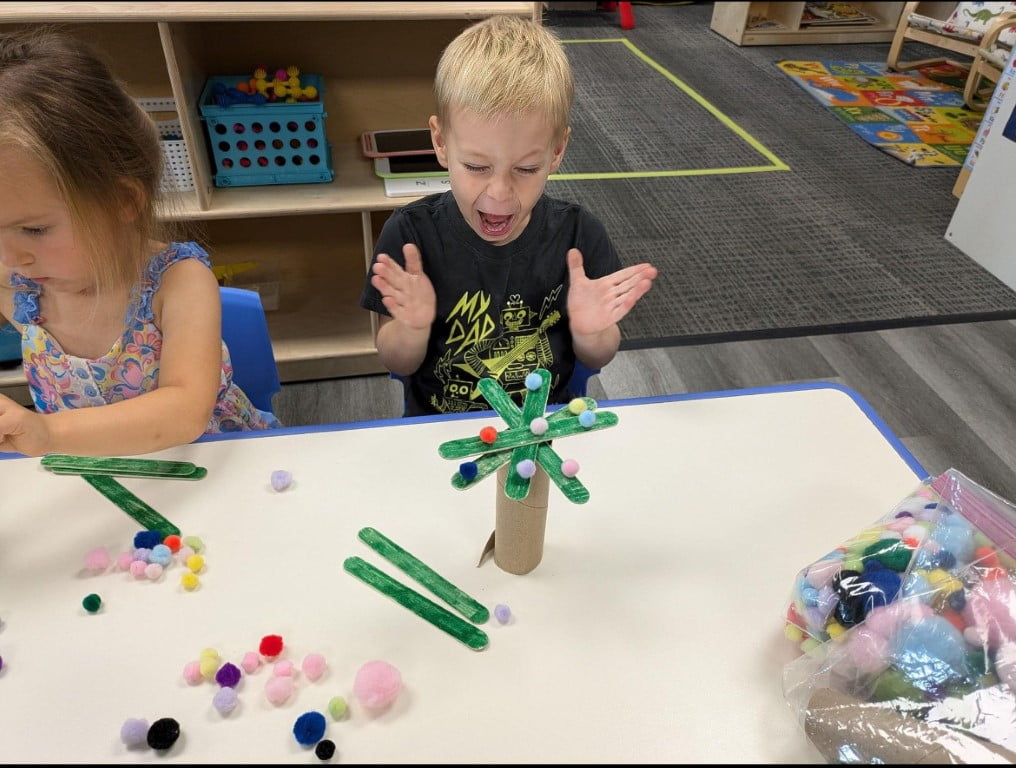
Children show friends and teachers what they made, and families see it too through our daily and weekly parent reports. Pride is part of the lesson.
From an infant's first scarf-and-bubble discoveries to Pre-K engineering challenges, each classroom meets children exactly where they are.
Textures, colors, bubbles and mirrors. Early STEM exposure for infants is all about the senses, paired with sign language to build understanding.
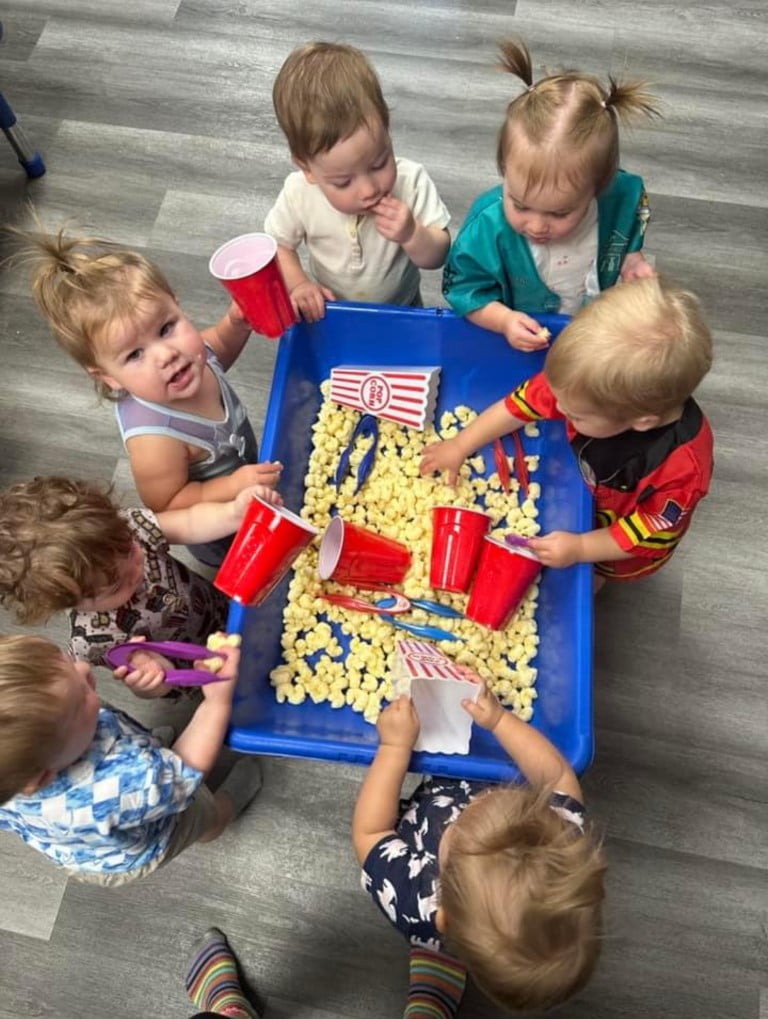
Scooping, pouring and digging help toddlers understand the world around them, an early foundation for reading, writing and science.
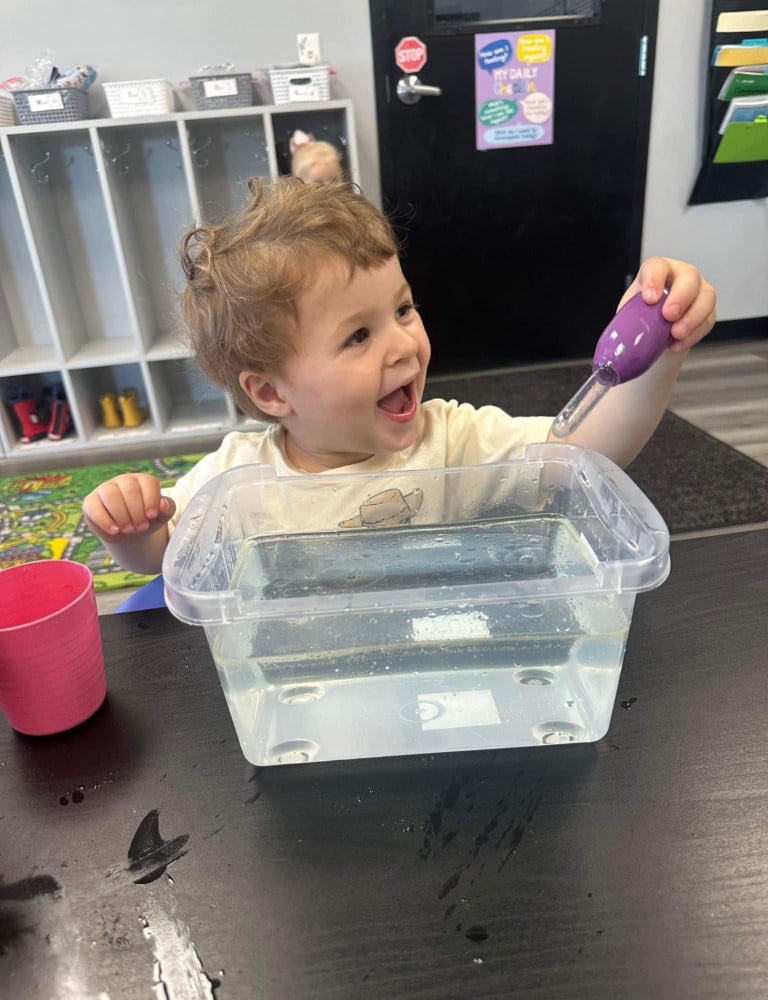
A two-year-old's STEM classroom is built for exploration, sensory play and hands-on discovery, safe, simple and full of experiments.
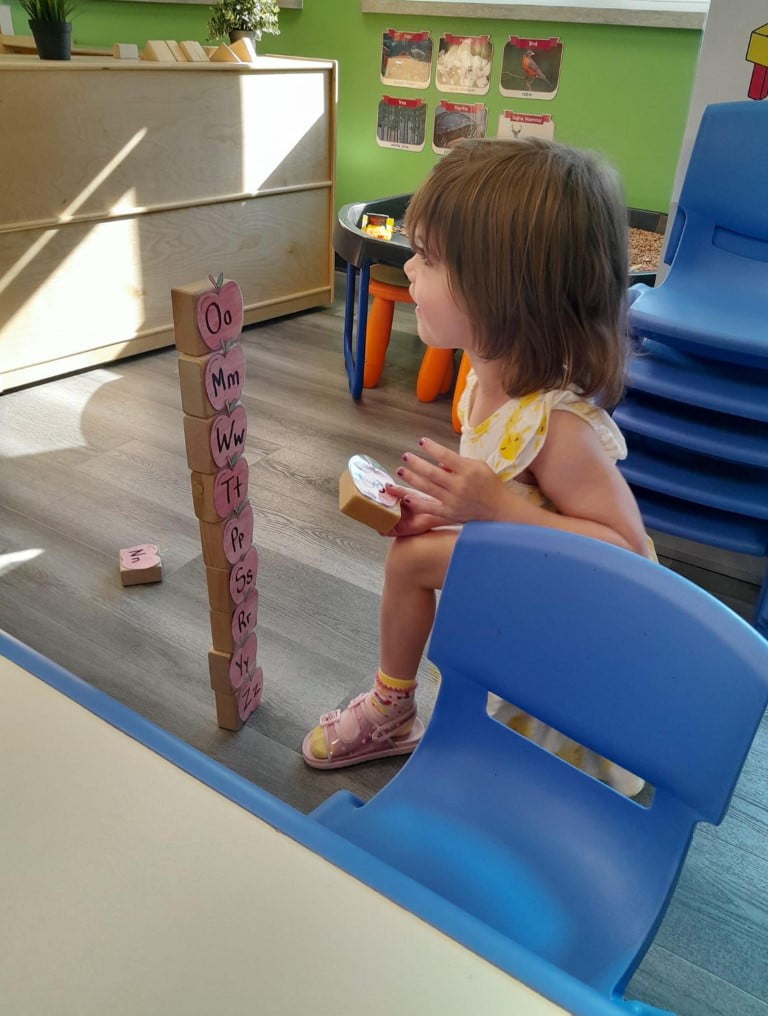
For 2½ to 3-year-olds: open-ended play and hands-on exploration that grow early critical thinking.
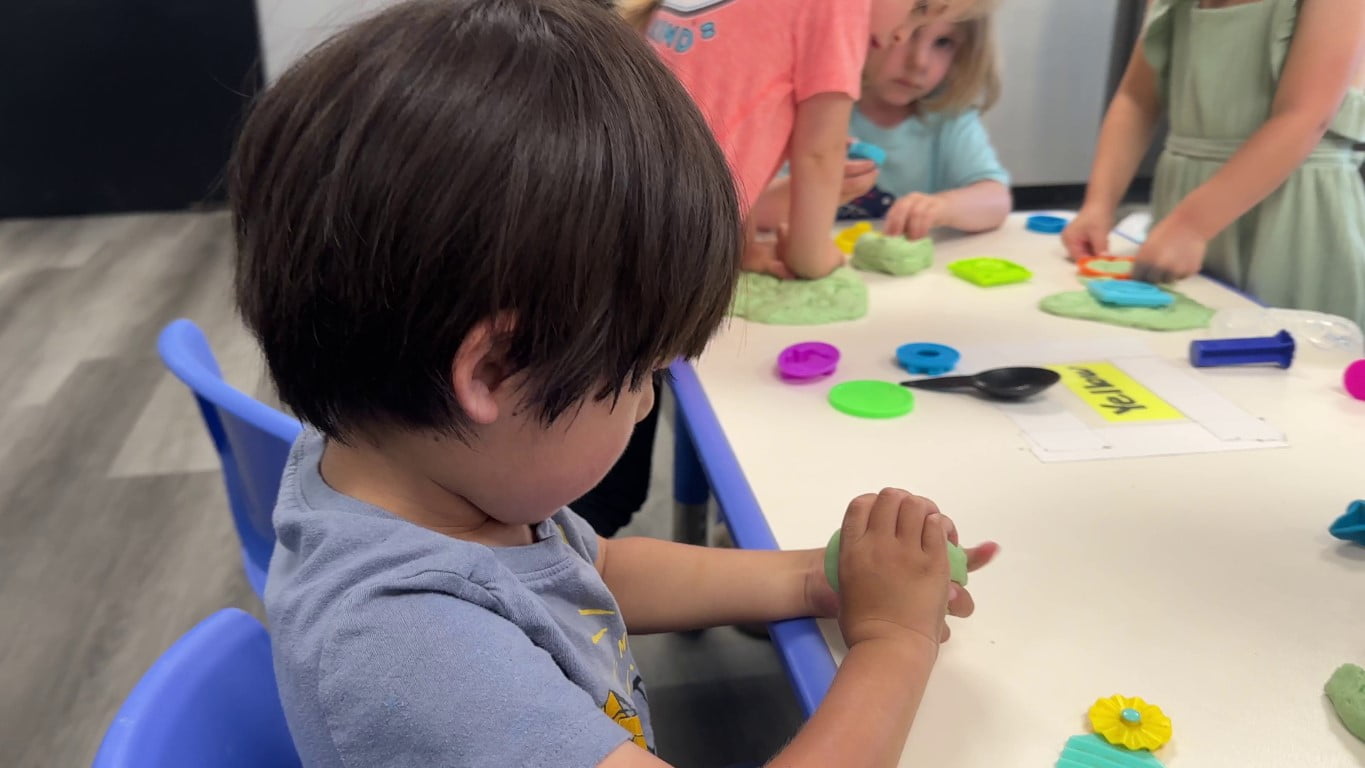
Building confidence in their own abilities to learn, and the social skills to solve problems together.
Hypotheses, experiments and building challenges that spark curiosity and get children kindergarten-ready.
The first five years are when children's brains grow faster than at any other time in life. Early childhood research consistently connects hands-on exploration in these years with stronger problem-solving, language and persistence later on.
We believe a toddler's ability to understand the world around them is one of the strongest early indicators of later success in reading, writing, science and math. So we do not wait. STEM/STEAM gives young children early exposure that builds a strong foundation, without worksheets or pressure.
Every block tower is an engineering lesson, every puddle a science lab.The Early Explorers philosophy
It is also about character. Elementary school will ask our kids to work in teams, test ideas and bounce back when something does not work. Those habits start at the STEM table, with a friend, a wobbly tower and a teacher asking, "What could we try next?"
Three free, ten-minute STEM activities our teachers love. Kitchen supplies only, no screens needed. Use them tonight.
Always supervise little ones with small items like marshmallows. Want more ideas? Ask our teachers on your tour, and pick up our free guide, 15 Questions to Ask on Any Daycare Tour.
Midland families raising Midland kids: come walk our STEM classrooms, meet the teachers and see a real activity mid-experiment. Classroom spots are limited, and tours fill weekly.
First step: tell us your child's age.
DOW and STEM-field employee discounts available. Read our reviews on Google.
Tours are the best way to feel the Early Explorers difference. Bring your questions, and your little one.